Wednesday, January 14, 2026

When a Slow Drain Means Your Sewer Line Needs Attention

As a homeowner, you are used to small issues coming up from time to time. Fortunately, these little problems can often be fixed quickly and easily. Such is the case with a slow drain line. Often, it means there is a little clog that will be easy to clear. But what if that isn’t it? If you are having trouble with a persistently slow drain, it could actually be your sewer line that needs attention.


For help with blocked drains or anything else that is giving you headaches in your home, call Berico to work with a trusted Greensboro plumber. Timely, affordable service is just a phone call away!


Signs That It’s More Than a Simple Clog

When you are dealing with a basic drain clog, that clog only impacts one fixture. For example, if your bathroom sink is clogged, the water will drain slowly out of that sink, but none of the rest of your plumbing will be impacted. It’s an isolated issue and can be resolved without much effort.


It’s when you notice that multiple different drains begin to slow down at the same time that you may have a bigger problem at play. It’s highly unlikely that all of those drains have picked up their own individual clogs at the same time. More likely, there is some other issue that is holding the water back from draining properly, and that issue could be found in the sewer line.


In addition to noticing multiple slow drains, you may also hear gurgling sounds coming from your drains or notice an unpleasant odor. All of these are indications that the sewer line may need to be inspected.


Common Causes of Sewer Line Blockages

There are several different ways that the performance of a sewer line can be impacted. One of the most common is an invasion by a tree root. If the root of a tree, which is naturally drawn to water, grows into the sewer line, it can create a major blockage that will cause everything in the house to drain slowly. This issue tends to be seen more in older homes, but you can’t rule it out if there are large trees growing near your house.


Another common sewer line issue is simply the deterioration of the pipe over time. Older materials like clay and cast iron will weaken with time, and the lines can then collapse or break entirely. Even if the pipe remains in good shape, buildup from things that have been flowing through the pipe for years can also lead to drainage problems. Grease is a common culprit here, as are items that should not have been flushed down the sewer line in the first place.


Work with a Proven Name

The Berico name is well-known throughout the Greensboro area, and for good reason. Berico offers reliable customer service and excellent results on all of our projects, including kitchen plumbing jobs. Reach out now to learn more or to schedule an appointment.

The post When a Slow Drain Means Your Sewer Line Needs Attention appeared first on Berico.


from
https://www.berico.com/when-a-slow-drain-means-your-sewer-line-needs-attention/

How Do You Know If Your Propane Tank Regulator is Bad?

A propane regulator plays a critical role in how fuel moves from the tank into your home. When it starts to fail, the signs are often subtle at first. Pressure can fluctuate. Appliances may not perform the way they should. This guide explains how to recognize those warning signs and what steps to take if a regulator problem is suspected.


Working with propane tanks requires the right combination of training and experience, and both of those things are found at Berico. As leading propane suppliers in the region, you will always be in good hands when you call Berico for assistance.


Common Signs of a Failing Propane Regulator

The regulator is the device that is responsible for controlling the pressure of the propane flowing from the tank into your home. If it isn’t working correctly, you might have problems with your appliances functioning as they should. In more severe cases, you could be dealing with a serious safety issue.


Inconsistent flame performance on your gas appliances is a common warning sign of trouble with the regulator. For example, you might notice that the flame is burning much lower than normal, or much higher. Either way, the regulator can be to blame. Also, a flame that changes color and becomes more yellow than blue is a cause for concern.


One other thing to notice is any unusual noises that are coming from the regulator. If you hear a humming, buzzing, or whistling sound, those are indications that something isn’t working right. Turn off the gas supply to ensure safety and then consider the next steps.


What to Do Next

First, understand that this is not a DIY fix. Regulators are key safety components and should only be worked on by trained professionals. The right step here is to call for help from Berico so you can have a technician come out to your home and review the condition of the regulator. During the inspection, it will be determined if the issue is actually coming from the regulator, or if there is a problem somewhere else in the overall system. For example, it could be that one of your individual appliances has encountered a problem that led to the symptoms you were noticing, rather than it being caused by the regulator.


Moving forward, once this current issue is solved, it’s a good idea to stay on a regular schedule of maintenance to keep everything in working order. Routine maintenance will help catch small regulator issues before they become noticeable and start to cause problems or present a safety hazard.


Deal With Your Propane Problems Today

Do you need to have a repair completed on your propane tank? Or would you like to schedule propane delivery in High Point? Whatever is on your agenda, Berico is ready to take your call. Reach out now to learn more.

The post How Do You Know If Your Propane Tank Regulator is Bad? appeared first on Berico.


from
https://www.berico.com/how-do-you-know-if-your-propane-tank-regulator-is-bad/

How Do You Fix Low Water Pressure in Your House?

Low water pressure in your home is a frustrating problem. Whether you are trying to take a refreshing shower, wash the dishes, or do just about anything else using your water supply, low pressure can make life harder. According to Berico’s Mark Onuffer, “Low water pressure…not only is it inconvenient, but it causes longer cycles on dishwasher and washing machines, poor cleaning, dingy clothes, spots on dishes.  This also leads to higher energy bills and possible damage to your appliances. We suggest getting your plumbing inspected and if your do have to replace any piping, regulators or pressure switches, it may be a great time to consider a water conditioning system.” So, how do you fix it? This article will take a closer look.


If your search for solutions to your low water pressure problem leads you to need Greensboro plumbing repair, Berico is the right team for that job. Reach out today to schedule your first appointment.


Identify the Source of the Problem

The first step in this process is to figure out why you have low water pressure in the first place. Toward that end, try all of your various water sources and see if they are all sharing the same issue. Is just one part of the house affected, or even a single fixture? That could point to a clog or mineral buildup in that area. However, if it’s a widespread issue, you’ll have to expand your view of the problem. According to our home services expert Onuffer, “There are several causes of low water pressure: Corroded pipes that physically reduce the inner diameter of the piping that supplies you water; Non efficient water purification systems that are outdated and plugged; Pitted contacts on the pressure switch for your well, causing it not to make and contain good contact; Compromised water pressure regulator.”


The next place to look is your main shut-off valve. It’s possible that the valve isn’t fully open, which would naturally lead to a reduction in water pressure. There could also be buildup inside of a main supply line that is restricting water flow.


Know When You Need Professional Help

There are some simple causes of low water pressure that can be resolved on your own. Specifically, if you find the main shut-off valve isn’t all the way open, you can open it up yourself and the problem may be resolved. Or, if the issue is just with one single faucet, you could have something like a clogged aerator that needs to be cleaned out or replaced. These are simple tasks that you might not need help to complete.


But that’s not always going to be the case. If you find that nothing simple and obvious is going to get your water back up to the pressure level that you expect, calling in professional help is important. With a professional plumber like those working for Berico, you can have a proper inspection completed to figure out what is wrong and what will be needed to fix it. This doesn’t necessarily mean that the fix will be greatly expensive, it just means that trusting the job to the pros is going to lead to a more predictable outcome. Don’t do more harm to the system while trying to fix it when a partner like Berico is always just a phone call away.


Every Service You Need

Whether it’s dealing with water pressure problems, completing a faucet repair, or anything else that might need to be managed in your home in the Greensboro area, Berico is the easy choice. You’ll be in good hands with the Berico team and will always receive quality work for fair prices. Don’t wait any longer to put your plumbing issues to bed!

The post How Do You Fix Low Water Pressure in Your House? appeared first on Berico.


from
https://www.berico.com/how-do-you-fix-low-water-pressure-in-your-house/

Does a Whole House Surge Protector Protect Against Lightning?

Lightning is one of the most dangerous events that Mother Nature can conjure up. While the odds of being hit by lightning are extremely low, it can do damage in other ways by starting fires and destroying equipment. Given all of the electrical equipment that is constantly working in your home, a direct lightning strike poses a significant threat.


So, will having whole house surge protection in place guard you against costly damage from lightning during a storm? That question will be addressed below. And, if you need to work with a Greensboro electrician for any reason, be sure to turn to the team at Berico for help.


What a Whole House Surge Protector Can, And Can’t, Do

Whole house surge protectors are an excellent safeguard against most forms of electrical surge. According to Berico’s Mark Onuffer, “It is known that in our area we have 14 to 16 power surges everyday in our homes.” These spikes can happen for a number of reasons, including random jumps in power coming from the electrical grid, or even large appliances cycling on and off. Dealing with these mild but frequent surges can stress your electronics and gradually wear them out over time. With a surge protector in place that serves your entire home, these ongoing threats will be mitigated.


Lighting is a different story, however. There is obviously a tremendous amount of energy contained in a single lightning strike, and that energy goes beyond what a standard surge protector is designed to handle. So, if a direct strike occurs, the lightning still has the potential to overwhelm the system and cause damage. With that said, not all lightning events are direct strikes, so your protector could help when a nearby strike sends some additional energy through your system.


Taking Other Measures During Storm Season

It’s a great idea to install a whole home surge protector for a number of reasons, including for at least some protection from lightning strikes. There are also other actions you can take during storm season, or in advance of a big storm arriving, that will reduce your chances of experiencing costly damage.


One simple thing you can do is unplug expensive appliances and other electronics when you know a major lightning storm is in the area. This might be a temporary inconvenience as you’ll have to live without those things for a short time, but they will be safe from a surge if they aren’t plugged into the grid at all. Also, before storm season, you could look into having a lightning rod added to your property. Lightning rods are designed to protect the structure by safely directing lightning energy into the ground, while whole-house surge protectors are designed to protect wiring and electronics from voltage spikes that travel through the electrical system.


Don’t Wait Any Longer

Hiring Berico for home surge protector installation is a choice that can benefit you far beyond the risk of a lightning strike. Home service expert Onuffer continues, “At Berico, we suggest a whole house surge protection, so that the power surges don’t do damage to your HVAC, well pumps, air purifiers, computers, televisions, etc.  Even with a whole house surge protector we would still recommend a surge protection strip for you in home electronics because they are very sensitive to power issues.” Having this safety feature in place will lend you great peace of mind and make it far less likely that anything in your house will be damaged by the grid. For more information, reach out today to chat with the friendly Berico team.

The post Does a Whole House Surge Protector Protect Against Lightning? appeared first on Berico.


from
https://www.berico.com/does-a-whole-house-surge-protector-protect-against-lightning/

What Does a Buzzing Light Switch Mean?

There are certain problems that can come up in your home that will grab your attention right away. A buzzing light switch is one of them. After all, light switches are simple devices that should be completely silent. If one of yours is making a buzzing noise, that issue needs to be addressed right away.


For light switch repair or any other type of electrical, plumbing or HVAC work in the Greensboro area, the Berico team should be your first choice. Call today to schedule an appointment or ask any questions you may have.


Common Reasons for a Light Switch to Buzz

When a light switch is buzzing, you know that something is wrong. That’s not normal. However, there can be various reasons for the buzz, so it’s important to understand what the possibilities are and which one might be to blame in your case.


  • Loose connection. If there is a loose connection inside the switch, meaning wires that are not properly secured, there can be arcing electricity or little vibrations that lead to a buzzing sound. This is a problem that is likely to get worse over time, as well.


  • Wrong bulb with a dimmer. If you have replaced the older bulbs in your home with LEDs, you might have created this problem by accident. LED bulbs are not compatible with older dimmer switches, and if they are used, the electrical load can become unstable, and the switch might start to buzz.


  • Worn-out switch. It could be the case that the light switch is simply worn out and needs to be replaced. All electrical components can degrade and fail over time, and light switches are no different. In this case, simply having the old light switch replaced with a new one should completely resolve the matter.


  • Overloaded circuit. It’s also possible for the load being placed on the circuit to be the underlying issue. If too many devices or fixtures share the same electrical line, the switch may start to buzz as it struggles to meet the demand.


Take This Warning Sign Seriously

Any sound coming from a light switch should be taken as a warning sign that something is wrong, and a dangerous situation could exist. Even if the buzzing is rather faint, or even if it only happens from time to time, you certainly don’t want to ignore it. As with any electrical issue, there is the risk of creating a fire hazard if you let this problem go, so it’s an urgent matter to get in touch with an electrician and solve the problem.


Don’t Let This Problem Linger

A buzzing light switch is something that needs to be addressed right away. Of course, you won’t be able to call the electrical company to deal with this one, so you need a partner who specializes in electrical repairs, instead. That partner is Berico. Take a moment now to reach out, and you’ll be one step closer to leaving this issue behind you.

The post What Does a Buzzing Light Switch Mean? appeared first on Berico.


from
https://www.berico.com/what-does-a-buzzing-light-switch-mean/

Does Humidity Help Keep a House Warm in Winter?

The quick answer is yes. Indoor humidity has a direct effect on how warm your home feels during the winter. When the air is dry, your home can feel colder even if the thermostat is set correctly. Understanding this relationship helps explain why humidity plays such an important role in winter comfort.


If you need professional Eden furnace repair to help keep your family warm during the winter months, or if you require any other HVAC services, reach out to the experienced team at Berico today for help.


Why Humidity Matters in the Winter

Even if your thermostat is set to the same temperature all winter long, the amount of moisture in the air can significantly change how the home actually feels from day to day. When the air is drier, it is going to feel cooler, and you’ll notice that change. Of course, winter air is often drier than summer air, so this is a common issue to have to solve.


If you feel cold in your home during the winter, the natural response is to raise the thermostat. But that’s going to lead to higher energy costs and more wear and tear on your furnace. As you see those high utility bills come in month after month, you may start to think that there should be a better way to deal with this issue. That’s where paying attention to your indoor humidity levels comes into play.


How to Manage Humidity for Better Winter Heating

There is nothing you can do about outdoor humidity conditions. The humidity is going to be lower in the winter, and that’s just how it will be. However, you do have the option of controlling your indoor humidity through the use of a whole-home humidifier that is integrated into your HVAC system.


With this approach, you can distribute just the right amount of moisture into the air while your heater is running. This brings humidity levels up, makes you feel more comfortable, and reduces the temperature that you need to maintain at the same time. It’s a wonderful tactic that is already used by many homeowners in Eden and across the country.


In addition to making you more comfortable, this approach can also keep the things in your home in better condition. Wood floors and furniture, for example, are prone to drying out and cracking when humidity is low for a long period. Paint is also prone to peeling under the same conditions. By controlling your humidity level, you’ll avoid these negative outcomes and be more comfortable along the way.


Contact an Industry Leader

Among Eden HVAC companies, Berico is a leader due to a history that dates back generations and a commitment to outstanding customer service. No matter what kind of project you need tackled in your home, the Berico team is sure to be up to the challenge. Call today to learn more.

The post Does Humidity Help Keep a House Warm in Winter? appeared first on Berico.


from
https://www.berico.com/does-humidity-help-keep-a-house-warm-in-winter/

Wednesday, January 7, 2026

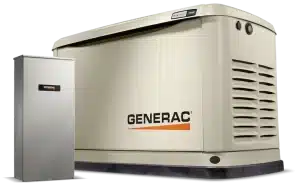
What Size Generator Does Your Home Actually Need?

It’s not hard to make the case for adding a generator to your home. Generators are tremendously useful, especially in the Greensboro area, where powerful storms are a somewhat regular occurrence. With that said, it is important to make sure you pick out the right size generator to serve your needs. That’s exactly the topic this article will cover.

Whether you are ready to have a Generac installed or you just want to talk to someone about the generator installation process, Berico is the right place to start. Call now to learn more.


Understanding Your Home’s Power Requirements

Knowing how much power your home will need to use when the grid is down is the first step in this process. That is not the same as knowing how much power you typically use when the grid is working properly, however. You don’t need to run everything off your generator during an outage, as you can get by with just the essentials. In other words, you’d like to be able to continue using your refrigerator and heating and cooling equipment, but you can probably just let your laundry machines sit idle until the power comes back on.

For many homes, a 7kW to 12kW range generator will meet the basic needs and keep essential functions running. That would be potentially a few appliances like refrigerator, freezer, and or water heater. Of course, that’s just a general estimate and shouldn’t be taken as anything more than a guideline. If you want to run more equipment, with less interruption to your daily activities, or if you have a particularly large home, you might get up into the range of 18kW to 24 kW.


The Value of Professional Sizing

You certainly don’t want to simply guess at the necessary size for your new generator and then make a purchase. Instead, you want to work with a professional installer like Berico to make sure you nail it the first time. Unfortunately, too many homeowners proceed after very little research on the matter, and they wind up with a number of different problems as a result.


A generator that’s too small for your needs will naturally struggle to keep up with demand. This can cause it to trip off when too many appliances start up at once. While it might seem like just going with an oversized generator would be the way to go, that also comes with drawbacks. For instance, you’ll spend more to purchase and install it upfront, then it will use more fuel than is necessary while it is running. Only through professional sizing will you be able to hit the target just right and come away with a generator that is ideal for your needs.


Put Backup Power in Place

You can spend time looking at a home generator sizing guide to get an idea of what you might need, but there is no substitute for working with a professional. Simply call Berico now to schedule an appointment, and you’ll have a trained pro available to walk you through this whole process.

The post What Size Generator Does Your Home Actually Need? appeared first on Berico.


from
https://www.berico.com/what-size-generator-does-your-home-actually-need/

When a Slow Drain Means Your Sewer Line Needs Attention

As a homeowner, you are used to small issues coming up from time to time. Fortunately, these little problems can often be fixed quickly and ...